Making healthy juice jelly and natural fruit jelly at home is easy and fun. You need just a few simple ingredients and tools. You can pick any juice you like for your jelly. Are you worried about making mistakes? Look at this table of common problems beginners have:
|
Common Mistakes |
Description |
|---|---|
|
Not stirring constantly |
Sugar can burn on the bottom of the pot. |
|
Not testing for doneness |
Jelly may not set; use a thermometer or spoon to check. |
|
Using dirty or wet equipment |
Dirty tools can ruin your jelly; keep everything clean. |
|
Skipping the foam-skimming step |
Foam can make the top look messy. |
|
Improper fruit preparation |
Using underripe fruit can give better texture. |
Try making your own jelly today!
Key Takeaways
-
Collect the main ingredients like juice, sugar, and pectin to begin making jelly. Pick 100% juice for the best taste.
-
Use the right cooking steps so your jelly sets well. Use a thermometer and do the spoon test to see if it is ready.
-
Stop mistakes by keeping your tools clean and stirring all the time. This stops burning and makes the jelly smooth.
Juice Jelly Fruit Jelly Ingredients and Tools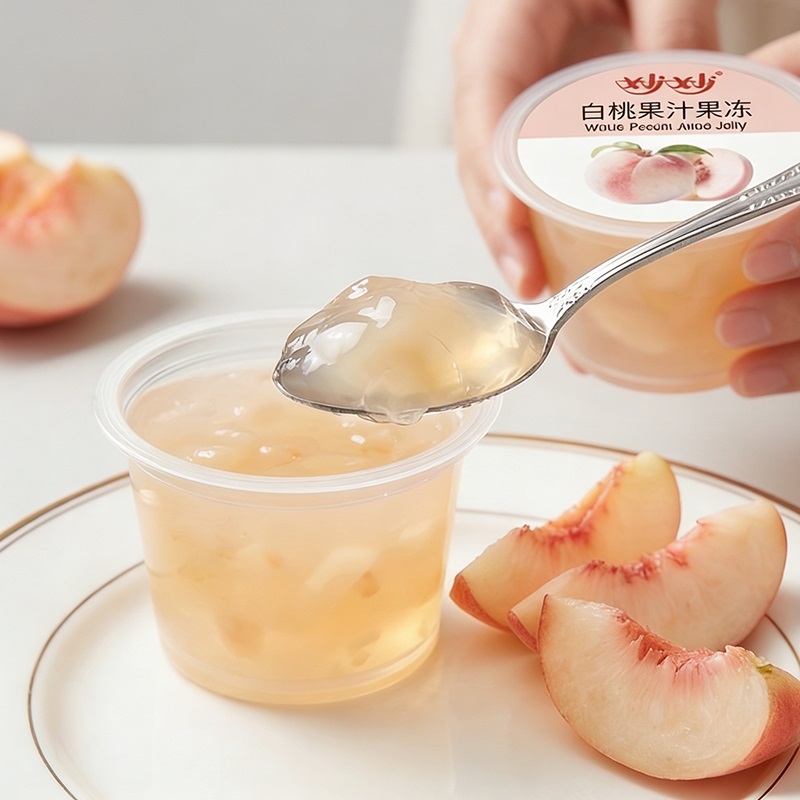
Essential Ingredients for Homemade Jelly
You only need a few things to make juice jelly fruit jelly at home. Here’s what you should have on hand:
-
Juice (fresh or store-bought, but 100% juice works best)
-
Sugar
-
Pectin or gelatin
Pectin helps your jelly set and gives it that classic texture. Sugar does more than just sweeten your jelly. It helps the jelly keep longer and makes the texture just right. You can use many types of juice, like apple, grape, or cranberry. High pectin fruits, such as lemons or crabapples, make the process even easier. If you want a tasty and easy recipe, try using juice with lots of natural pectin.
Tip: Always measure your sugar and juice carefully. This helps your jelly set every time.
Here’s a quick look at the best ratios for your jelly recipe:
|
Juice Pectin Content |
Sugar to Juice Ratio |
|---|---|
|
Rich in pectin |
1 cup sugar : 1 cup juice |
|
Slightly broken |
¾ cup sugar : 1 cup juice |
|
Low pectin |
½ cup sugar : 1 cup juice |
For your first batch, keep it simple. Use one recipe at a time and start with 6 to 8 cups of juice. Making a small batch helps you get the hang of it and makes cleanup easy.
Equipment Needed for Jelly Making
You don’t need fancy tools to make homemade jelly. Here’s a list of what you’ll need:
-
Large, heavy-bottomed pot or saucepan
-
Glass jars with lids
-
Ladle
-
Measuring cups and spoons
-
Fine mesh strainer or cheesecloth
-
Wooden spoon or heatproof spatula
-
Candy or jelly thermometer
A jelly bag or cheesecloth helps you strain the juice for a clear jelly. Use a candy thermometer to check the temperature and make sure your jelly sets. If you want an easy recipe, gather all your tools before you start. This makes the process smooth and fun.
How to Make Juice Jelly Fruit Jelly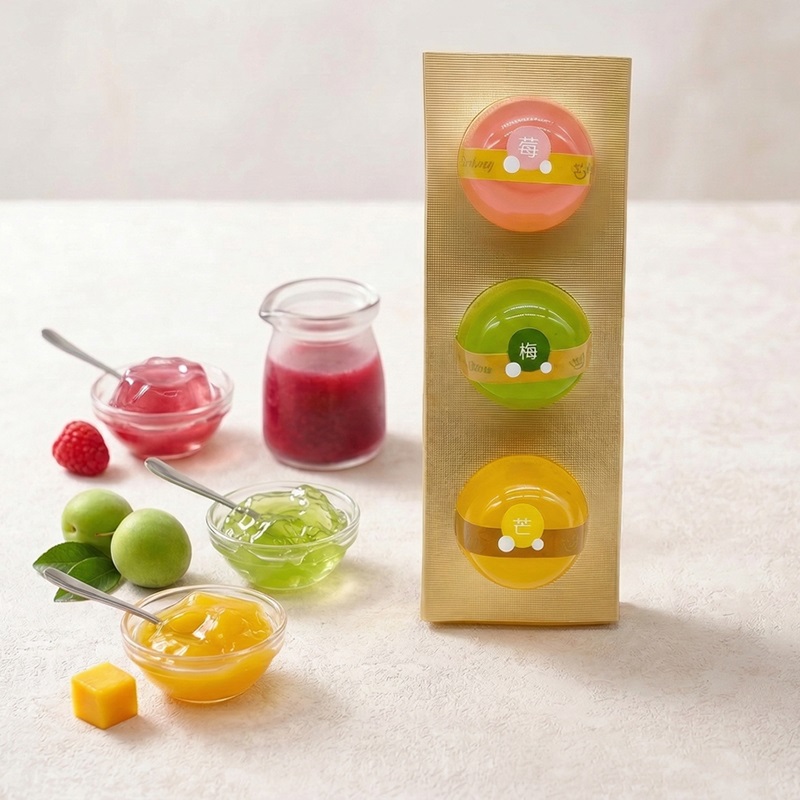
Preparing Juice and Gelatin or Pectin
You can start your juice jelly fruit jelly adventure with fresh or store-bought juice. If you use whole fruit, wash it well and remove any stems or leaves. For larger fruits, cut them into small pieces. Soft fruits like berries or grapes need a gentle crush. Add enough water to cover the fruit, then place everything in a large saucepan. Bring it to a boil and let it simmer until the fruit feels soft. Stir every few minutes so nothing sticks.
Next, mash the fruit through a sieve to get smooth juice. Measure the juice you have. If you want to make jelly from juice, use about 1½ pounds of sugar for every 2 pounds of fruit pulp. Mix the sugar with the juice and cook it slowly until it thickens. For a clear jelly, pour the cooked fruit into a jelly bag or three layers of damp cheesecloth. Tie the bag and let the juice drip into a bowl. Press gently to get all the juice out. You can freeze or can this juice for later if you want an easy recipe for another day.
Now, get your gelatin or pectin ready. If you use gelatin, sprinkle it over a small amount of cold juice and let it sit for five minutes. This step helps the gelatin bloom, which means it will dissolve better later. If you use pectin, just have it measured and ready to go. This is the base for your homemade jelly.
Cooking and Mixing Steps
Now, you get to see the magic happen. Measure out your juice. For grape juice jelly, use about 2/3 cup of juice and sprinkle gelatin over it. Let it sit for five minutes. In a saucepan, combine the rest of your juice with sugar. Bring it to a boil while stirring. This helps the sugar dissolve and keeps the jelly from burning. Boil for about five minutes.
If you use pectin, add it after the sugar dissolves. Boil the mixture hard for one minute. Remove the pan from the heat and skim off any foam. Foam can make your jelly look cloudy, so don’t skip this step.
If you use gelatin, add it to the hot juice and sugar mixture. Stir until the gelatin dissolves completely. You can add a little lemon juice if you want a tangy flavor. For a tasty grape juice jelly, this step brings out the best taste.
Safety Tip: Always use a heavy-bottomed pot and keep an eye on the heat. Hot sugar can burn quickly. Use oven mitts when handling hot pans. If you plan to store your homemade jelly at room temperature, process the jars in a boiling water bath. This step keeps mold away and makes your jelly safe to eat.
How do you know if your jelly is ready? Try the spoon test. Dip a cool spoon into the jelly and let it drip. If the drops run together and form a sheet, your jelly is ready. You can also pour a little jelly on a cold plate and put it in the fridge. If it gels, you did it right!
Pouring and Setting the Jelly
You’re almost done! Let your jelly cool for about ten minutes before pouring it into jars. This helps the fruit bits stay mixed in and not float to the top. Use a ladle to fill clean, hot jars. Leave a little space at the top. Wipe the rims and seal the jars with lids.
If you want a smooth finish, place a waxed paper disc on top of the jelly before closing the lid. This keeps water from collecting on the surface. For the best texture, try adding a little chopped apple or citrus fruit to your recipe. High pectin fruits help your jelly set better.
Now, let your jars sit at room temperature or in the fridge. Most homemade jelly takes 24 to 72 hours to set. Some recipes, especially those with lemon rind, may take up to a week. If you use grape juice, you might see your jelly set in just a day or two.
Note: If you don’t process your jars in a water bath, keep your jelly in the fridge. Homemade jelly lasts one to two weeks at room temperature if unsealed, and up to a month in the fridge. Properly canned jelly can last much longer.
Making juice jelly fruit jelly at home is simple and easy. You can use grape juice, apple juice, or any juice you love. Try this easy recipe for your next family breakfast or snack. Jelly making is a fun way to use up extra juice and create something tasty. Enjoy your homemade treat!
Homemade Jelly Tips and Troubleshooting
Common Setting Problems
You might find that your jelly does not set the way you want. This happens for a few reasons:
-
Old or damaged pectin loses its power to gel.
-
If you add ingredients in the wrong order, the jelly may not set.
-
Boiling for too short or too long can ruin the gel.
-
Too little sugar or acid makes jelly syrupy.
-
Large batches of grape juice do not heat evenly.
-
Overprocessing during canning can weaken the set.
-
Using overripe or low-pectin fruit, like some grape juice, can cause problems.
If your jelly stays runny, do not worry. Let it rest for a few days. Some grape juice jellies take longer to set. If it still does not set, you can remake it. Use fresh pectin and follow the recipe steps. Boil hard for a full minute. Try not to double your batch. Always use the right amount of sugar for the best grape juice jelly.
To fix soft jelly, mix ¼ cup sugar, ½ cup water, 2 tablespoons lemon juice, and 4 teaspoons powdered pectin for each quart. Boil, add the jelly, and boil hard for half a minute.
Variations Like Homemade Grape Jelly
You can make many flavors with juice. Here are some ideas:
|
Fruit |
Flavor Description |
Color |
Notes |
|---|---|---|---|
|
Strawberries |
Sweet and a little tart |
Red |
Mix with grape juice for a twist |
|
Cherries |
Sweet and rich |
Red |
Try with grape juice for depth |
|
Oranges |
Bright and citrusy |
Orange |
Adds zing to grape juice jelly |
|
Grapes |
Mild and sweet |
Purple/red |
Classic homemade grape jelly |
|
Apples |
Mild, pairs well with spices |
Varies |
Add to grape juice for texture |
|
Tropical |
Exotic and fun |
Varies |
Mix with grape juice for color |
Want an easy homemade grape jelly? Try this simple recipe:
-
Mix 3 cups grape juice and 1 package powdered pectin in a pot.
-
Bring to a boil.
-
Add 4 cups sugar and boil for one minute.
-
Remove foam, pour into jars, and cool.
Homemade vs Store-Bought Jelly
You get more control with whole natural fruit orange jelly. Store-bought jelly often has more sugar than juice. Homemade jelly uses real orange juice and less sugar. You can skip high fructose corn syrup and artificial stuff. Check out this table:
|
Aspect |
Homemade Jelly |
Store-Bought Jelly |
|---|---|---|
|
Ingredients |
Real juice, less sugar |
More sugar, additives |
|
Sweeteners |
No HFCS |
Often has HFCS |
|
Control |
You choose |
Limited |
|
Sugar per tbsp |
About 6g |
7–10g |
|
Health |
Fewer additives |
More preservatives |
Homemade orange jelly tastes fresh and lets you pick your favorite juice. Store it in a cool place and use clean tools. Enjoy your homemade treat!
You can make homemade jelly with a simple process and feel proud of your results. You control the ingredients, so you skip artificial stuff and adjust sweetness. Try new flavors—mix fruits, add spices, or layer colors. Making homemade jelly is easy, fun, and lets you share tasty creations with friends.
FAQ
How long does homemade jelly last?
You can keep homemade jelly in the fridge for up to a month. If you seal and process jars, your jelly can last up to a year.
Can I use less sugar in my jelly?
You can reduce sugar, but your jelly may not set well. Try using low-sugar pectin for better results.
Why is my jelly cloudy?
-
You may have squeezed the jelly bag too hard.
-
Fruit pulp can make jelly cloudy.
-
Next time, let the juice drip slowly for a clear jelly.